

Choosing the Right Energy Affordability Policies for Your State

This Guide is meant to help you answer a core question:
Given what’s happening in my state, which policies should we focus on first, and how do we move them?
You can treat this as a choose-your-own-path tool and a narrative walk-through. You don’t have to move in sequence, but the sections below offer a logical flow that many state-based campaigns may find useful.
- 1. Understanding what’s driving unaffordable energy in your state
- 2. Protecting households now: near-term relief and safeguards
- 3. Addressing root causes and structural drivers
- 4. Matching policies to the right decision-making venue
- 5. Addressing narrative, coalition support, and funding
- 6. Putting it all together
1. Understanding what’s driving unaffordable energy in your state
Guiding Question: What is contributing to unaffordable energy costs where we live and work?
To answer this question, you don’t need precise data to get started, but you do need ideas and hypotheses to get going. Try answering these questions as concretely as possible:
Common contributing factors might include climate-related natural disaster impacts, new infrastructure and projects, fossil fuel price volatility, new large loads on the grid, poor building quality, and utility profit structures.
If you don’t have data on causes and impacts, consider policies that focus on bill and data reporting and transparency as early priorities. For example, some states require utilities to break out cost drivers on bills or to report fuel cost impacts separately.
2. Protecting households now: near-term relief and safeguards
Guiding Question: How do we protect communities who are struggling now?
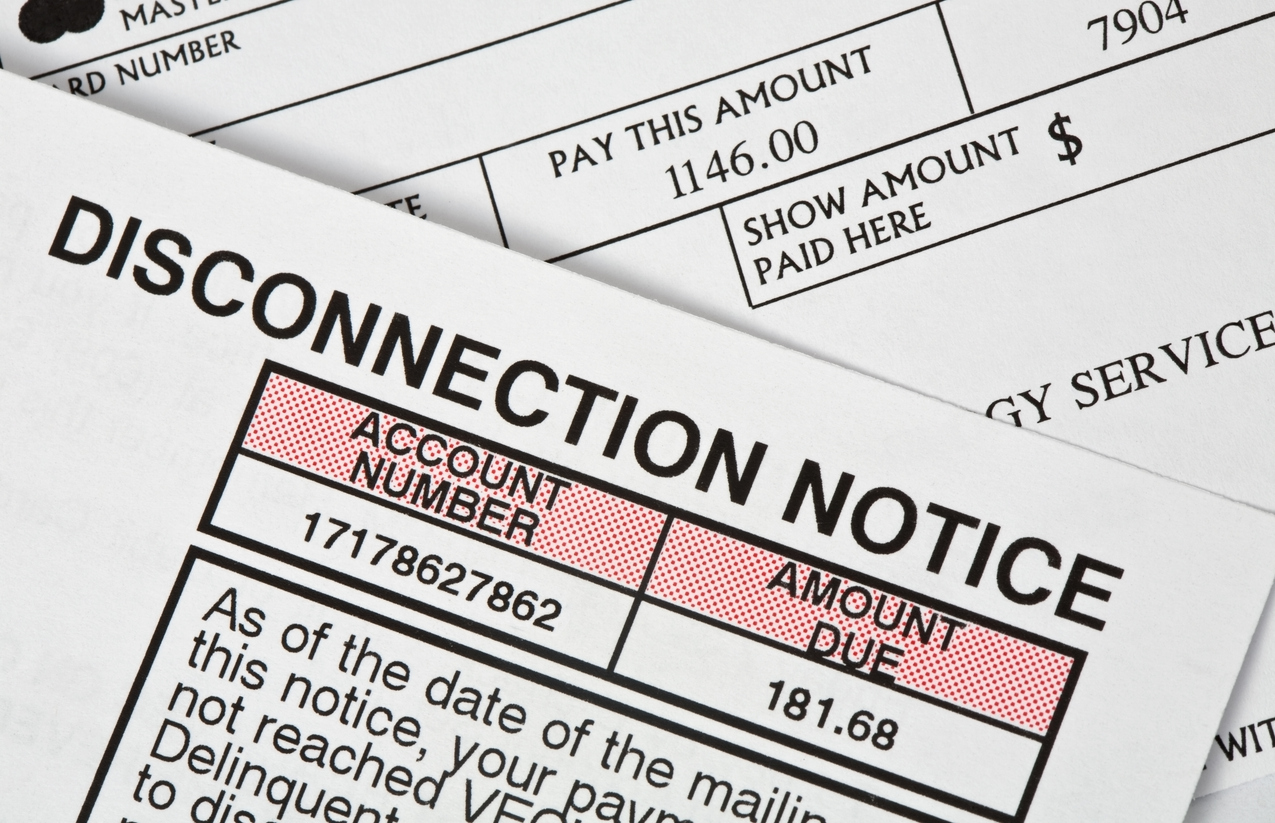
Again, you don’t have to wait for perfect analysis to move policies that keep people connected to an energy source and reduce immediate harm. Early, near-term priorities often include:
For example, some states have implemented seasonal disconnection moratoria to ensure no household loses service during extreme heat or cold. These policies may not fix the root causes of unaffordability, but they can buy time, reduce harm, and build power by demonstrating that better protections are possible.
3. Addressing root causes and structural drivers
Guiding Question: Beyond immediate relief, how do we change community conditions that keep bills high?
Once you have some protections in place, you can look at policies that address underlying causes. These often involve bigger ideas and solutions that create much bigger long-term impact. Some examples include:
4. Matching policies to the right decision-making venue
Guiding Question: Where can this policy actually move, and what will it take?
Decision-makers have different authority dependent on laws, regulations, court cases, and political factors. As such different policies are best suited to different venues. Often, you’ll need more than one. Typical venues include:

5. Addressing narrative, coalition support, and funding
Guiding Question: What narrative and coalition power do we need to win? How do we pay for what we’re proposing?
Even the best-designed policy won’t move without a grounding in real lives coupled with a compelling story, trusted messengers, and a coalition that can withstand opposition. Consider these questions:
6. Putting it all together
Wherever your state’s affordability work currently stands, this Guide and the Energy Affordability Policy Library can help clarify your pathway forward. Use this Guide to diagnose your state’s challenges, identify promising policies, choose the right venue, and strengthen your narrative and coalition. Use the Library to deepen that understanding, compare options, and understand the tradeoffs of each policy tool.
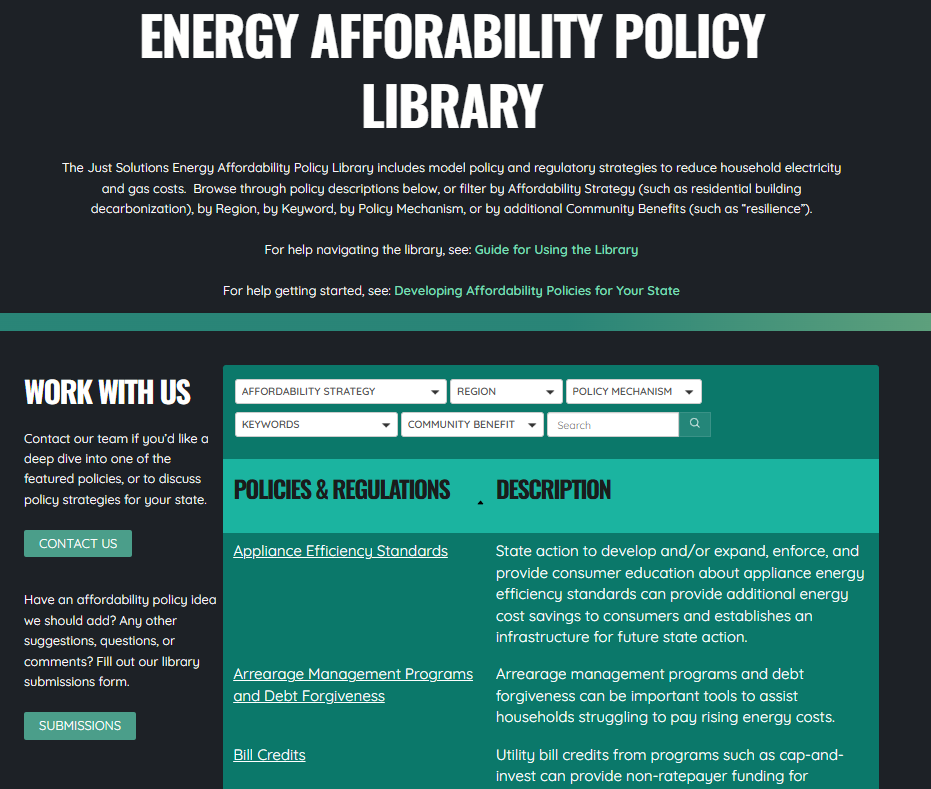
The Energy Affordability Policy Library is your resource along the way
A way to move from “we know something is wrong” to “here are concrete, equity-centered options and the tradeoffs we should understand.”
If your organization is working on energy affordability, then we would love to partner with you
Fill out the form below if you have questions or want to connect with us.